Website and Account Security
Domain and DNS Ownership Cleanup for Northeastern Colorado Businesses
A domain name feels like a small line item until email stops delivering, a website disappears, or a former vendor is the only person who can open the account. For businesses in Wiggins, Fort Morgan, Sterling, Brush, Greeley, Brighton, Burlington, Yuma, Akron, and nearby Northeastern Colorado communities, domain and DNS ownership should be treated like a business asset. The goal is simple: know who controls the domain, who can change DNS, when it renews, and how email and website records are protected before an emergency puts sales, appointments, invoices, or customer communication at risk.
By RightCyber Solutions · 2026-08-04
Quick takeaways
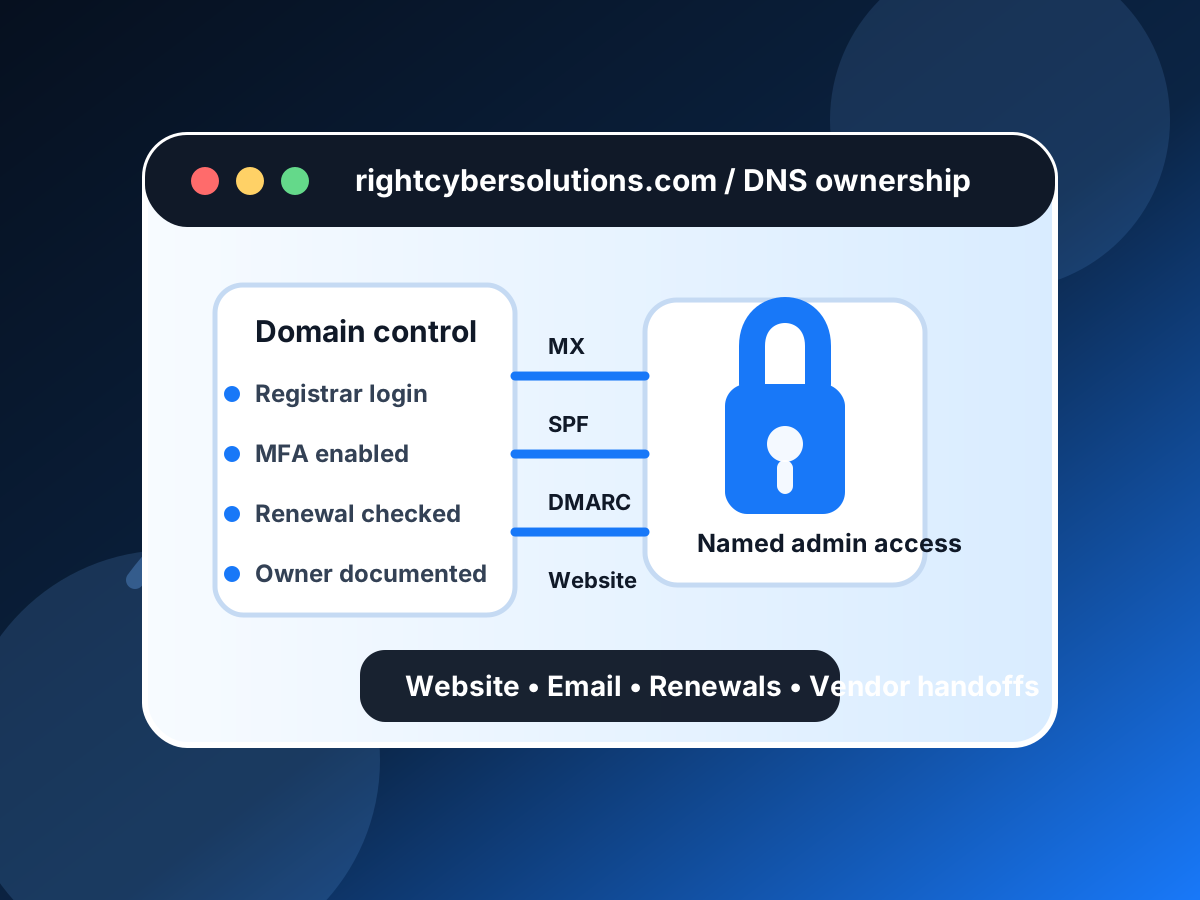
- The business should know which registrar holds the domain, who owns the login, what payment method renews it, and which people can approve changes
- DNS records affect the website, Microsoft 365 or Google Workspace email, security tools, remote access, and vendor systems, so they should not be changed from memory
- Former web vendors, past employees, shared inboxes, and personal credit cards can create ownership risk when nobody has checked the account in years
- RightCyber helps Northeastern Colorado businesses document domain access, review DNS records, coordinate website or email changes, and protect key accounts
Start by proving who owns the domain account
The first question is not where the website is hosted. It is who can log in to the domain registrar and prove the business controls the name. The registrar may be GoDaddy, Cloudflare, Squarespace, Namecheap, Google Domains history, a website vendor account, or another provider. The owner should know the company email tied to the login, the recovery options, and whether MFA is turned on.
Problems often start when a domain was bought years ago with a former employee's email address, a vendor's account, or a personal card nobody recognizes. Everything may look fine until the card expires, the vendor relationship changes, or a password reset goes to someone who no longer works with the business.
RightCyber can help gather the account details, document recovery paths, and make sure ownership sits with the business instead of being trapped in one person's inbox.
DNS records are the switchboard for more than the website
DNS tells the internet where to send website traffic, email, verification checks, security records, remote tools, and some vendor connections. A small typo or deleted record can break the website, stop email from reaching Microsoft 365 or Google Workspace, weaken spam protection, or interrupt a tool staff rely on every day.
A useful DNS review records what each entry does before anything is cleaned up. Website records, MX records, SPF, DKIM, DMARC, verification TXT records, subdomains, remote access names, and vendor records should have notes that a business owner or future support partner can understand.
That documentation matters during a website redesign, email migration, phone system change, software setup, or vendor handoff. The business can make changes with a rollback path instead of guessing which old-looking record is actually important.
Renewal settings deserve a real business check
Domain renewal failure is preventable, but it still happens. The credit card may expire, renewal notices may go to an unused mailbox, or a domain may be set to manual renewal because nobody wanted auto-renew years ago. When the domain lapses, the website and email can fail together.
A cleanup should confirm the renewal date, renewal term, payment method, billing contact, notification address, and whether domain lock is enabled. Owners should also know which domains are truly used and which look similar but are only parked, redirected, or no longer needed.
For a local clinic, contractor, nonprofit, accounting office, shop, or service company, the domain is tied to trust. Customers notice when email bounces or a website shows an error page, even if the fix is only a billing update.
Limit who can make high-risk changes
Domain and DNS access should not be a shared password passed between staff, web designers, marketing vendors, and IT helpers. Named users, MFA, limited roles where available, and written approval steps reduce the chance of accidental changes or account takeover.
The safest setup depends on the provider, but the principle is consistent: the business keeps ownership, trusted administrators have named access, and vendors receive only what they need for the work they are doing. When the project ends, access should be reviewed instead of left open forever.
This also protects the vendor relationship. A web designer can update the site, an email provider can verify records, and an IT partner can support security without anyone needing to hold the entire domain hostage.
Email security records should match the systems you actually use
Email records are a common source of hidden trouble. SPF may list old senders, DKIM may never have been turned on, DMARC may be missing, and old verification records may remain long after a service was cancelled. Those gaps can affect delivery and make spoofing easier to miss.
If the business uses Microsoft 365 or Google Workspace, the DNS record set should match that environment and any legitimate senders such as billing, scheduling, newsletter, or industry software platforms. Records should be specific enough to protect the domain without blocking real messages staff need to send.
RightCyber can review those records with the business's email setup, explain what belongs, and coordinate changes carefully so staff are not surprised by broken invoices, appointment reminders, or customer replies.
Plan vendor handoffs before a website or email project starts
Website launches and email migrations often stall because nobody can access DNS at the moment records need to change. That creates pressure, after-hours calls, and rushed password sharing. A better plan checks domain access before the project starts and schedules DNS changes with the people who need to test them.
The handoff plan should name the decision maker, technical contact, registrar login owner, expected records, testing steps, and rollback notes. It should also say who removes temporary vendor access after the work is complete.
For Northeastern Colorado businesses that depend on calls, forms, online payments, email, and customer follow-up, clean handoffs keep technology changes from turning into a public outage.
Turn domain control into a documented asset
Domain and DNS cleanup does not have to become a giant project. Start with the main domain, registrar login, renewal date, payment path, MFA status, DNS host, email records, website records, and current administrators. Then save the notes where the owner and support team can find them during a real change.
RightCyber Solutions helps businesses across Wiggins, Fort Morgan, Sterling, Brush, Greeley, Brighton, and the wider Northeastern Colorado corridor review domain ownership, clean up DNS records, protect admin access, coordinate web projects, and support Microsoft 365 or Google Workspace changes.
If nobody can confidently answer who owns the domain and what the major DNS records do, that is the sign to clean it up before the next renewal notice, website update, or vendor handoff.
FAQ
What is the difference between a domain registrar and DNS hosting?
The registrar is where the domain name is registered and renewed. DNS hosting is where records tell internet services where to send website, email, and other traffic. Sometimes they are handled by the same provider, and sometimes they are separate.
Can a website vendor own our business domain?
A vendor may have helped buy or manage the domain, but the business should have clear ownership and recovery access. Vendor help is useful; losing control of the domain account is risky.
Which DNS records should a small business document?
At minimum, document website records, MX records, SPF, DKIM, DMARC, important TXT verification records, subdomains, redirects, remote access names, and any records tied to phone, payment, scheduling, or industry software.
Can RightCyber help with a domain or DNS handoff?
Yes. RightCyber can review domain ownership, document DNS records, coordinate with web and email vendors, protect admin accounts, and support careful changes for businesses across Northeastern Colorado.